
Things that go bump in the (day)
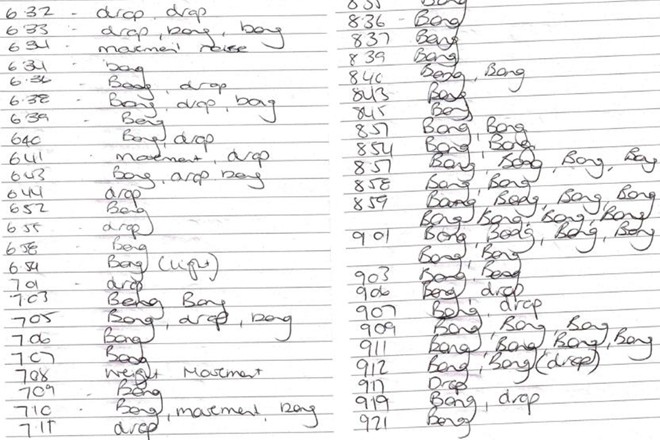
A recent interlocutory decision in nuisance proceedings before the Supreme Court of Western Australia is a reminder that not all strata scheme noise disputes end up in the State Administrative Tribunal.
A recent interlocutory decision in nuisance proceedings before the Supreme Court of Western Australia is a reminder that not all strata scheme noise disputes end up in the State Administrative Tribunal.

Whether you are a landlord or a tenant, correctly identifying and understanding the regulatory framework for your commercial lease is crucial from the outset.

The State Administrative Tribunal has recently held that there was no recourse under strata company by-laws against an owner who sent a series of abusive messages to his strata manager.

In Western Australia, courts are still bound by the Eshelby principle, which prevents a landlord who commences proceedings against a tenant from seeking to recover additional amounts of rent and outgoings which subsequently fall due.

The Supreme Court of Western Australia has dismissed an application to extend a caveat because there was insufficient evidence to show that an agreement was signed by way of “Docusign”.

Stork Davies principal Shannon Davies popped up in the 𝘛𝘩𝘦 𝘞𝘦𝘴𝘵 𝘈𝘶𝘴𝘵𝘳𝘢𝘭𝘪𝘢𝘯 over the weekend, to share some of his thoughts on the scope for lawyers to advise buyers on residential property transactions.

A recent decision by the Supreme Court of Western Australia has considered indefeasibility principles in the context of a long-term chain of what are sometimes called “reversionary” leases.

Recent reforms to residential tenancies legislation have resulted in significant changes to the rights of residential tenants to keep pets, and the rights of landlords to insist on pet-free dwellings.

A recent decision of the State Administrative Tribunal has highlighted the dual risks of using off-the-shelf downloadable templates for commercial leases and failing to obtain proper legal advice. The case also demonstrates the pitfalls of self-managing commercial property, particularly in the context of highly regulated retail assets.